

Hennessey Blackbird: An Analog Hypercar for the Anti-EV Crowd
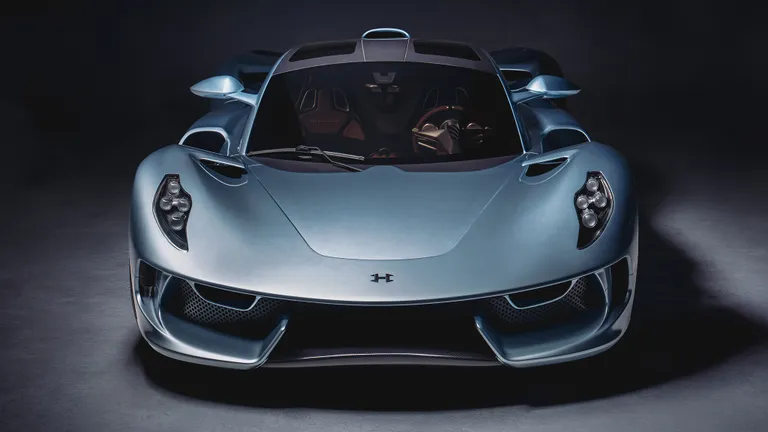
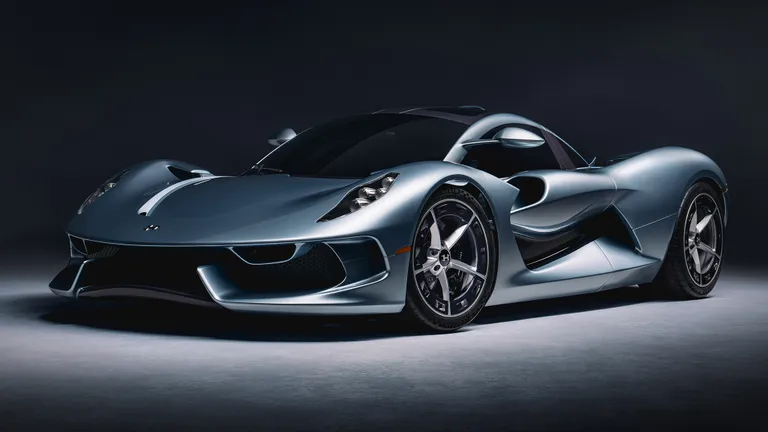
Hennessey has unveiled its third hypercar, the Blackbird, a deliberately old-school machine that skips hybrid and EV technology in favor of a naturally aspirated V-8, a gated six-speed manual gearbox and a cabin stripped of screens. Just 71 examples will be built, a nod to the retired Lockheed SR-71 Blackbird reconnaissance aircraft that inspired the car's naming and styling direction.
The powertrain is being developed with Ilmor, the UK-based engineering firm, and targets 800–850 horsepower with a redline above 9,000 rpm. Hennessey says the 6.2-liter V-8 is the highest-revving and most powerful naturally aspirated road-car V-8 it knows of, though it has not released torque figures or detailed the engine's architecture. The car relies on analog controls, including a physical insert-and-twist ignition key, and features visible gear linkage for the manual gearbox.
To keep weight down, the Blackbird uses a carbon-fiber tub and carbon-fiber bodywork, with dry weight expected to stay under 3,000 pounds. Adaptive suspension with inboard springs and shocks is planned, along with anti-lock brakes and traction control to manage the Michelin Pilot Sport Cup 2 tires. Hennessey has not yet announced pricing, a production timeline or full technical specifications.
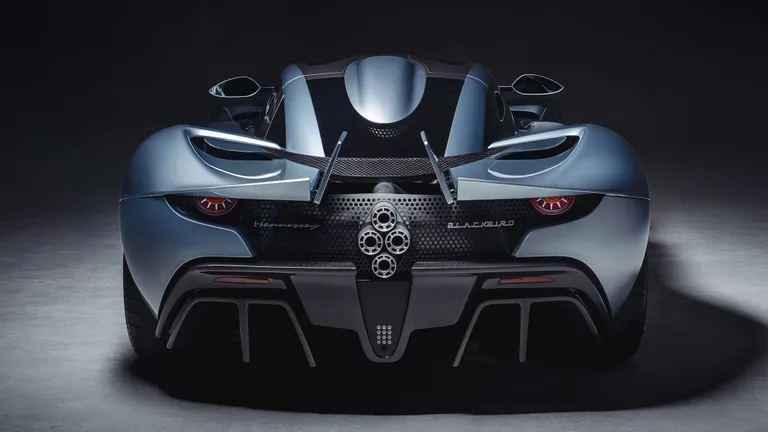
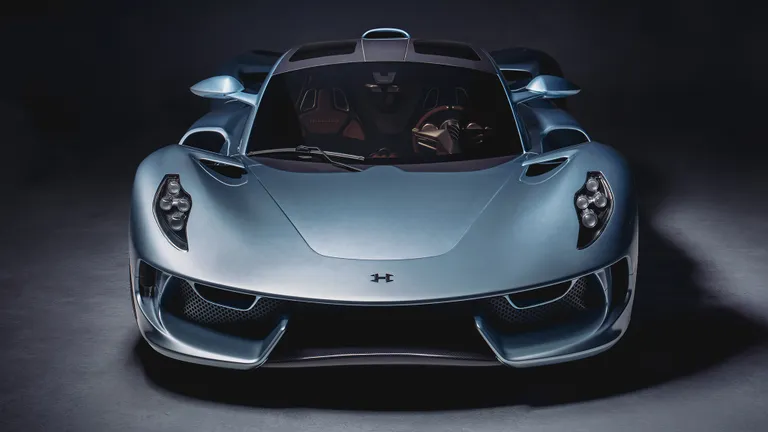
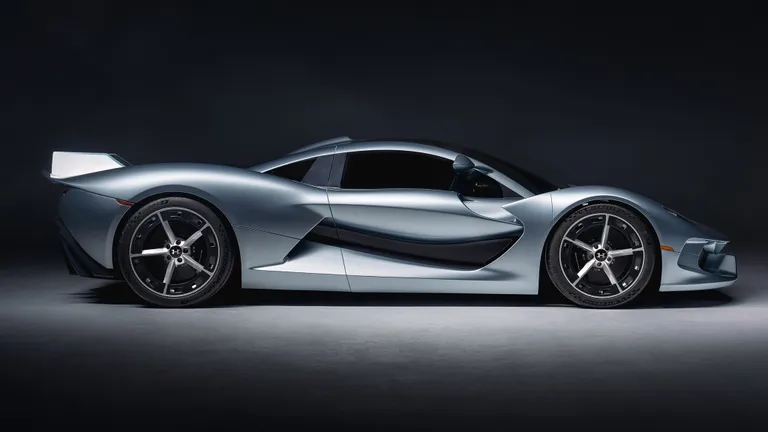
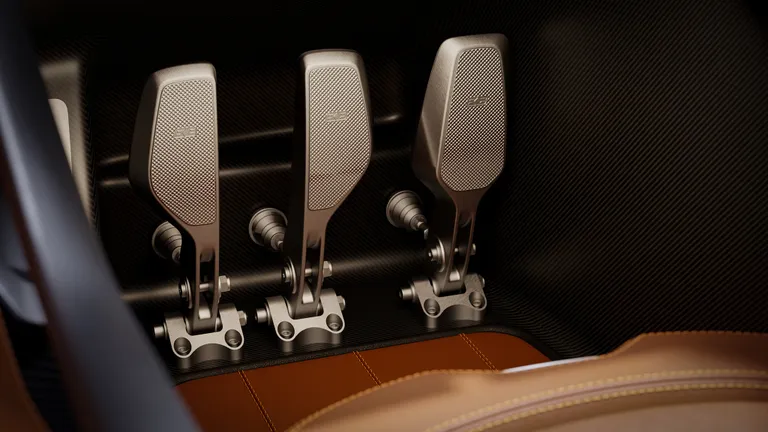
What the Blackbird Says About Hennessey's Low-Tech Strategy
Hennessey's Counter-Programming Bet
The Blackbird is a deliberate reaction to what Hennessey describes as heavy, computer-managed hypercars. By limiting production to 71 units and removing screens, hybrid systems and automatic transmissions, the company is positioning the car as an emotional, driver-focused alternative rather than a lap-time weapon. That is a workable halo strategy for a low-volume brand, but it depends on finding a buyer base willing to pay a premium for analog simplicity.
The Ilmor-Built V-8 Is the Technical Core
Ilmor's involvement gives the engine program credibility beyond Hennessey's tuning-house reputation. The 6.2-liter displacement suggests possible links to GM small-block architecture, and Ilmor has built engines around that family before; however, the initial release does not confirm bore spacing, valvetrain design or cylinder heads. The highest-revving, most powerful claim is a marketing assertion until real-world test data and independent verification appear. The 800–850 hp and 9,000+ rpm targets are still targets.
What the Announcement Leaves Out
Hennessey has disclosed no pricing, no delivery date, no torque numbers and no details on how the car will meet emissions or noise regulations in different markets. For a small-series manufacturer, those gaps matter: specialty vehicles can be delayed by homologation, supply chain constraints and the complexity of tuning a high-revving naturally aspirated engine to modern standards.
What Buyers and Collectors Should Watch Before the Blackbird Lands
For prospective buyers and collectors, the Blackbird is still an early-stage announcement. Key numbers to track:
- Only 71 units will be built, so allocation, deposit requirements and order priority will likely be driven by Hennessey's existing customer relationships.
- Performance claims are preliminary targets: 800–850 hp, a 9,000+ rpm redline and dry weight under 3,000 pounds all need final confirmation in production spec.
- The Ilmor-developed 6.2-liter V-8 is the car's defining feature; watch for official details on its architecture, valvetrain and torque output before judging the powertrain's real character.
- A six-speed manual with a visible linkage, no screens and a physical key are confirmed design choices, not speculation.
- Pricing, production timing and emissions compliance have not been announced; expect those to be clarified as the car moves closer to customer deliveries.
Risk & Opportunity Assessment
| Commercial Risk | Medium | A 71-unit run limits revenue exposure, but the niche depends on high-net-worth buyers accepting an analog, non-hybrid package in a market moving toward electrification. |
| Competitive Risk | Medium | Rival hypercars offer hybrid or EV powertrains with higher outputs and advanced aero; the Blackbird competes on emotion and driving purity instead, which narrows its appeal. |
| Regulatory Risk | Medium | A high-revving, naturally aspirated V-8 faces tightening emissions and noise regulations in key markets, and homologation details have not been disclosed. |
| Reputation Risk | Low | Hennessey's existing brand is built on high-performance tuner cars; the Blackbird extends that identity rather than replacing it, though unverified performance claims carry some risk. |
| Technology Disruption | Low | The car deliberately avoids hybrid, EV and digital cockpit technology, so it is not a disruptive platform; it is a counter-trend product. |
| Commercial Opportunity | Medium | Limited to 71 units, it can serve as a halo vehicle and proof of Hennessey's engineering capabilities, potentially lifting brand value across its other products. |
Comments 0